Old habits rarely fade on their own.
Don’t let them take another day from you.
Take the first step toward yourself today

It is possible to feel clear, grounded, and connected again
Free, no sign-up. This short guide shows why everyday comments can sting so much, and what to do about it. It includes an exercise that helps you calm down right now.
HSE University, Moscow
Existential Analysis after Alfried Längle, GLE-International
British Psychological Society
If even a couple of these are yours, you’re in the right place.
Has anyone told you to “pull yourself together”? This was never about willpower. When your safety, as a child or inside a group, depended on keeping other people happy, your mind learned to survive: stay alert, adapt, switch your feelings off, blame yourself for everything. Back then, it protected you.
Now the same habits get in the way: anxiety out of nowhere, panic, emptiness, fear of closeness, the reflex to look for where you went wrong. These are the after-effects of long-term trauma, not a “defect” in you.
The good news: the habits your mind built to survive can change. Not in one evening, and not through force of will, but they can.
The first meeting is simply a conversation. Whether to continue is up to you.
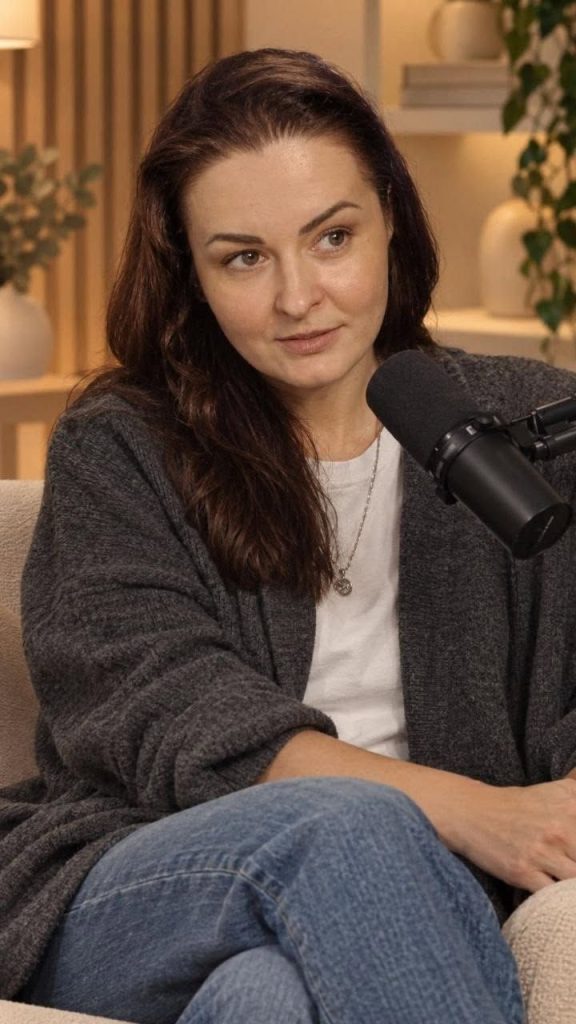
I had a hard childhood. I lived inside a destructive group, and I found my way out of it. Panic attacks, years of self-criticism, the feeling of “I no longer know who I am”: I know all of it personally.
Then I set out to understand it professionally: an MA in Psychology at HSE University and 735 hours of training in Existential Analysis, the approach developed by Alfried Längle (GLE-International). Both of my Master’s theses were about cults and sects.
I didn’t stop there. Alongside Existential Analysis I have trained in coaching, Emotional Freedom Techniques (EFT) and a number of other methods and practices. I keep improving my qualifications, because every person’s story is different and no single tool fits everyone.
I have been doing this work for more than 10 years: with the after-effects of childhood trauma and of life in controlling groups, families and relationships. In that time I have seen a wide range of situations. You won’t have to explain “how something like that is even possible.” I won’t be shocked, and I won’t judge you.
You see more clearly what is going on for you and where it comes from, in your own words, without labels or judgement.
We work out together what you want to focus on, and you get a sense of whether this way of working suits you.
We put together a plan: a few small steps you can try before we meet again, at your own pace.
We talk about how to move forward: which goals feel realistic for you right now, and how often we might meet.
My approach brings together deep understanding (existential analysis)
and concrete action (coaching). Outcomes differ from person to person, and I don’t promise any.
What I do aim for is that you leave the first session with a clear next step.
Pick a time that suits you. There’s nothing to prepare.
You tell me what brought you here, and I ask questions. By the end, we see more clearly together what is going on and where we might begin.
No pressure, no “packages”. If you’d like to go on, we’ll agree a rhythm.
60 minutes, €60. Online from anywhere in the world, in English or Russian. What you tell me stays between us.
The first meeting is simply a conversation. Whether to continue is up to you.
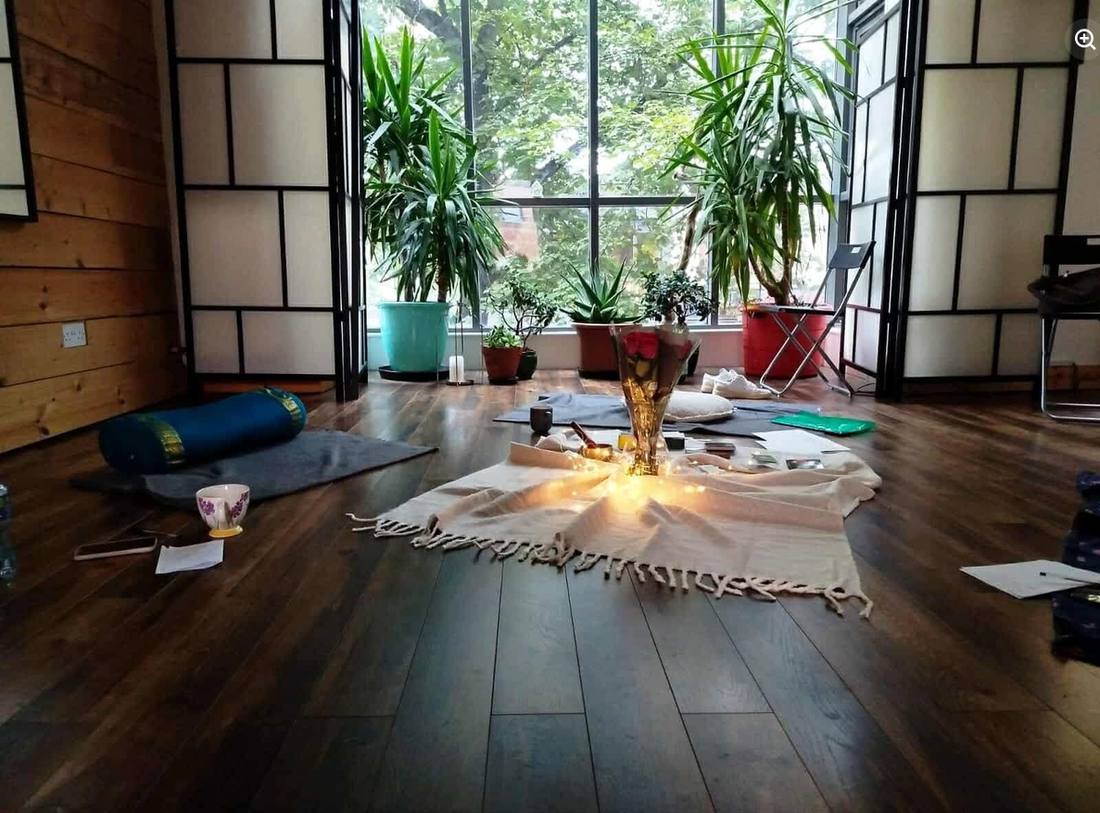
An evening in Belfast: cards, a guided meditation and a quiet conversation in a safe group of up to 10 women. The circle is paused for now, and you can ask to hear about the next one.
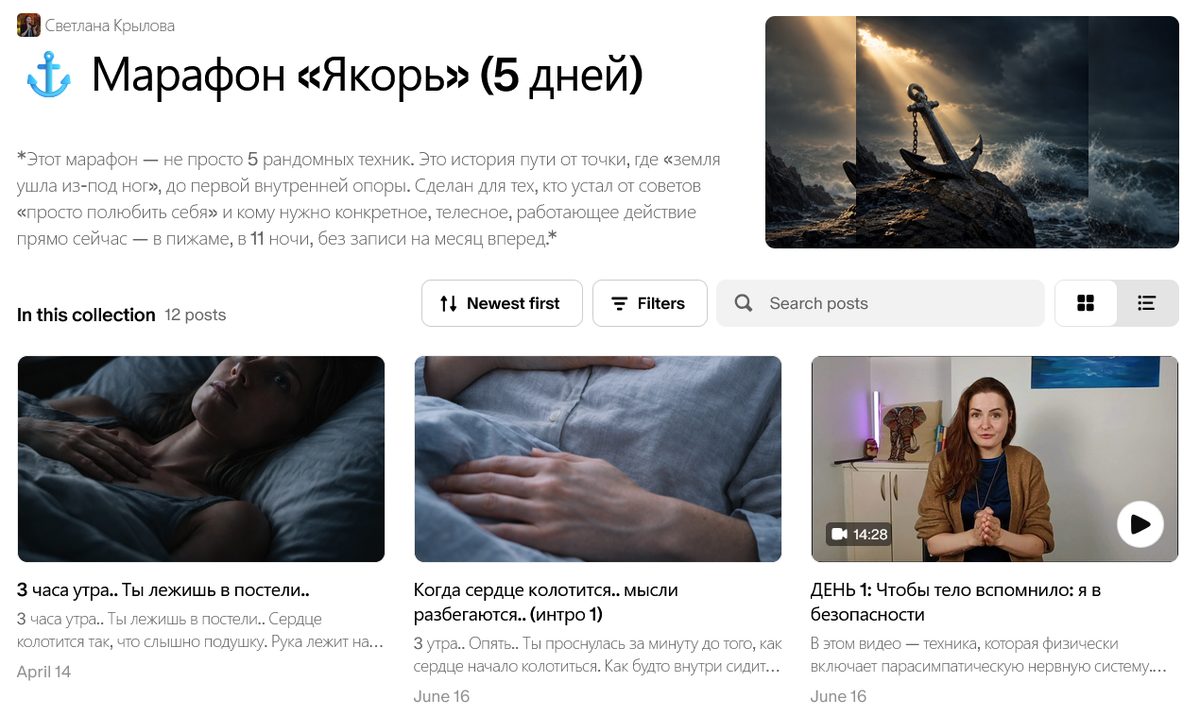
Five days of short, body-based practices for anxious nights and for moments when the ground goes from under your feet. Do it from home, at your own pace.
If you’re reading this, something is bothering you. You don’t have to wait until it gets really bad. Anxiety, panic, emptiness and constant guilt are reason enough to talk.
You tell your story in your own words and at your own pace. I listen closely and ask questions when we come close to something important. By the end, I have a picture of what you are looking for, and I share my thoughts openly. We talk about your goals and possible ways forward, and sometimes I give you a first small exercise. The next session usually follows in one or two weeks.
After a first session, many people say: “I feel much calmer and steadier. Things are clearer. A plan is starting to form. Now I need time to take in everything I’ve been through and understood.”
It can feel as if things have gone too far. But change is almost always possible, and you can start from wherever you are. We look for ways forward that fit your situation, not a template.
That worry makes sense. The first session is a chance to see how we work together and whether it suits you. Whether to continue is up to you. Results are not always visible straight away, because inner change takes time, but many people leave the first session calmer and clearer.
That’s completely normal. We don’t rush. Trust builds gradually, and you decide what to talk about. I don’t judge or evaluate you. If something feels uncomfortable at any point, you can say so and we will talk about it.
No. This is counselling: a conversation about your life and experience. I don’t diagnose or prescribe medication. Sometimes I suggest a medical check-up, and I can refer you to colleagues if your situation needs a different approach.
60 minutes, €60. Online from anywhere in the world, in English or Russian.

Are you struggling with strong emotions, memories or anxiety even after the difficult event is over?

Why do we keep gripping what limits us, even when letting go would set us free?

I recently had the honour of leading a mindful walking session for a group of people in the south of Northern Ireland.
Take the first step toward yourself today
Не нужно «дозревать» до помощи. Достаточно одной встречи, чтобы стало понятнее, что происходит.